We’ve all tried a sport on a whim, stuck with it for three weeks, and then dropped it. Choosing an activity at random, without considering your real constraints, almost always leads to giving up. Choosing a sport that suits your body, your lifestyle, and your actual constraints changes the game for daily well-being.
Time and budget constraints: the filter that prevents abandonment
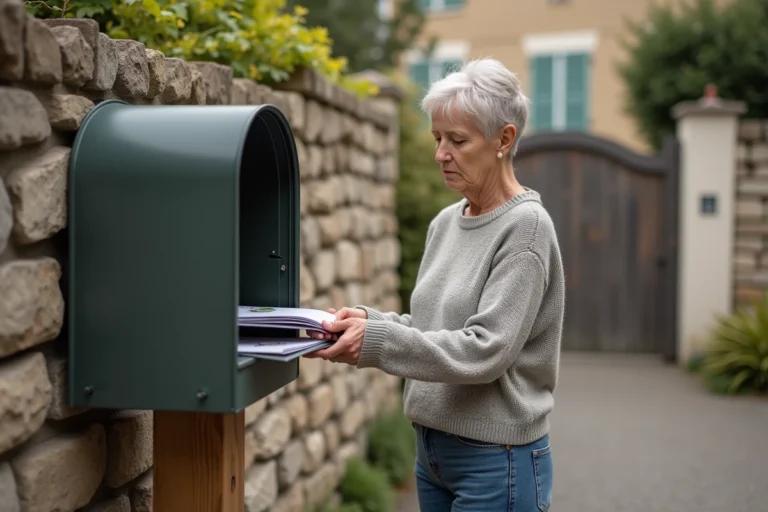
A group class at 6:30 PM three times a week sounds good on paper. With a variable commute, kids to pick up, or a shifting schedule, you miss one session, then two. Then you stop.
The first criterion for choosing is compatibility with your actual schedule, not that of an ideal week. Running, cycling, jumping rope: these self-directed sports handle unexpected events better than a fixed time slot in a gym.
On the budget side, an annual gym membership is a commitment. Running or brisk walking costs almost nothing. Sports-health centers certified by the Ministry of Sports offer often accessible support, with a marked decrease in dropouts when the choice of sport is co-decided with a professional.
You can explore the available disciplines on the 1 Sport 1 Coach website to identify a physical activity that fits your geographical and financial constraints.
Exercising outdoors or indoors: the effect on stress is not the same

A literature review published in Environmental Health Perspectives in 2023 (researchers affiliated with the University of Exeter) provides concrete insights. Outdoor physical activities reduce stress and mental rumination more than equivalent indoor practices.
Walking in the forest, trail running, cycling on roads or paths: these activities combine physical effort and exposure to a natural environment. The decrease in cortisol and improvement in mood are measurable and greater than those observed indoors for comparable effort.
However, gyms have their advantages. Some people maintain their consistency better with a fixed framework, a locker room, and an available coach. Feedback varies on this point, and the ideal environment depends as much on temperament as on the season.
Combining both to stay engaged
Two outdoor sessions when the weather permits, one session indoors or at home as a fallback. This alternation breaks the routine and keeps the motivation alive.
Gentle endurance: a validated lever for mental health
We know that physical activity affects mood. What has changed recently is the ability to measure this effect. A meta-analysis published in 2023 in the British Journal of Sports Medicine showed that some moderate endurance sports rival first-line antidepressants for mild to moderate depression, provided that the practice is supervised and regular.
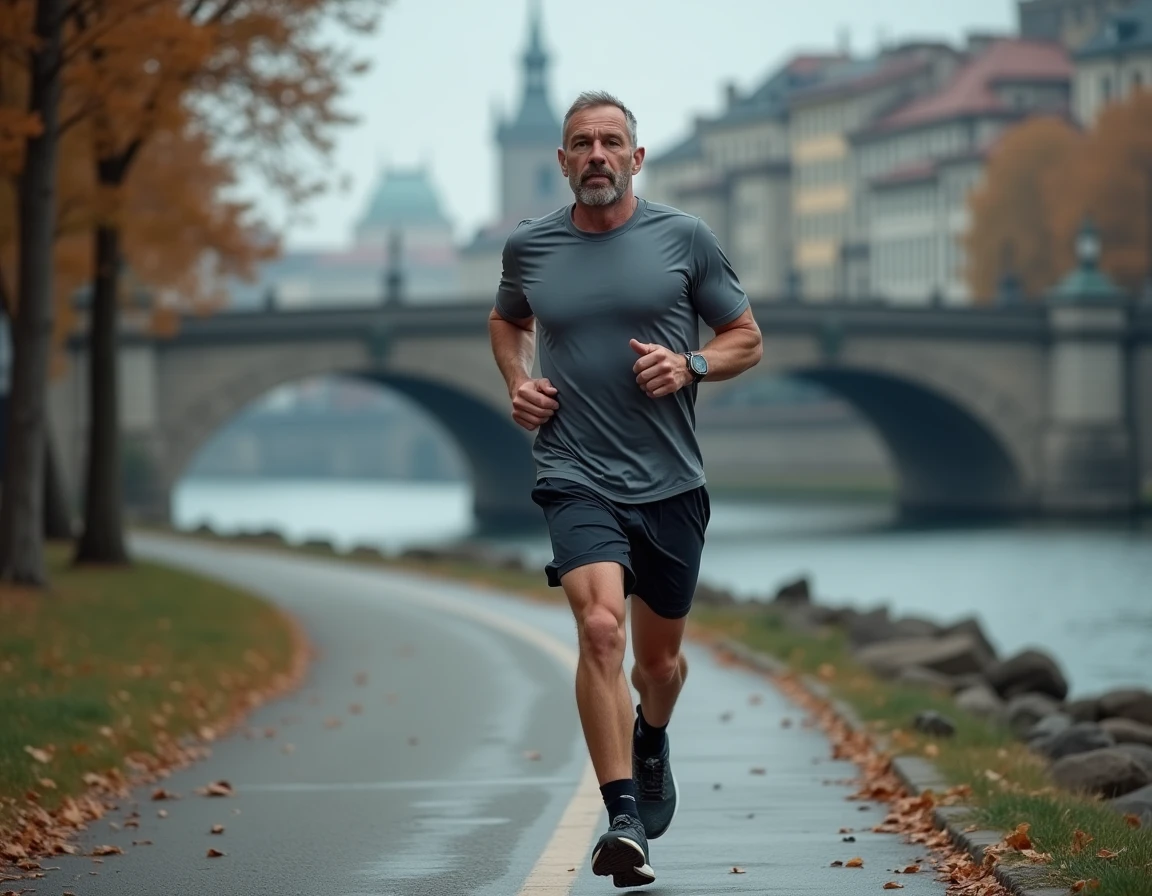
Slow running, moderate-paced cycling, gentle swimming: we’re talking about efforts where you can still hold a conversation. No stopwatch, no performance. The focus is on consistency, not intensity.
- Conversational pace running, at least three times a week, for at least thirty minutes per session
- Swimming in a pool at a moderate pace, varying strokes to engage different muscle groups without straining the joints
- Cycling on flat or slightly hilly terrain, suitable for people with knee or ankle joint constraints
This type of practice does not replace medical follow-up for severe disorders but serves as a complementary lever validated by research.
Breaking up effort rather than aiming for a large weekly volume
French physical activity recommendations emphasize a point that is often overlooked. The focus is on reducing sitting time and breaking up effort: move a little but often.
A fifteen-minute walk in the morning, always taking the stairs instead of the elevator, and a twenty-minute strengthening session in the evening provide measurable benefits. There’s no need to block off an entire hour in your schedule.
Adapting sport to your daily life, not the other way around
This logic of breaking up effort changes how you choose your sport. Instead of looking for the perfect activity for three dedicated slots per week, you can combine several micro-activities:
- Brisk walking for short trips, replacing the car or subway for the last kilometers
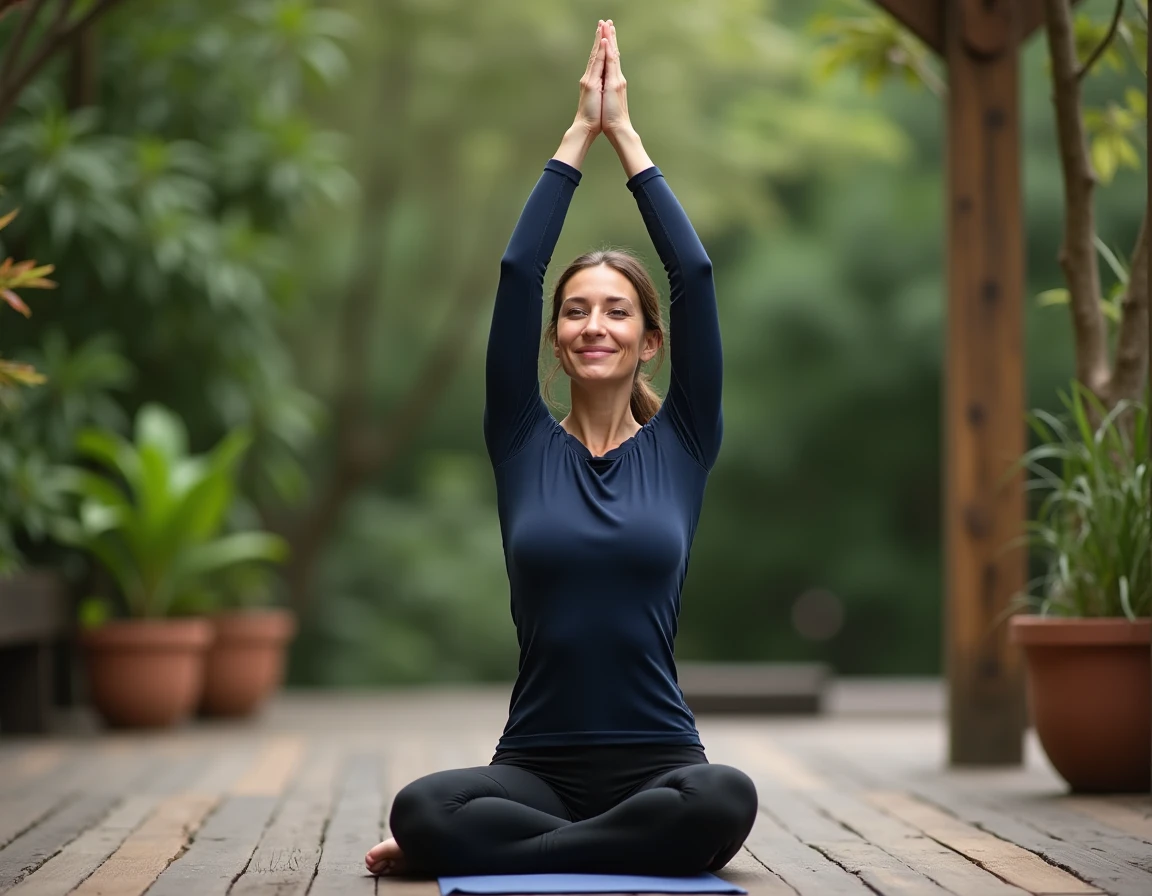
- Short sessions of planking or yoga at home, without equipment, in the morning or evening
- Group sports or classes once a week for social enjoyment and structure
Three short sessions are better than one long session skipped. Adherence primarily depends on the sport’s ability to fit into your daily routine without friction.
The sport that sustainably improves well-being is not necessarily the most effective in theory. It’s the one you can practice regularly, in a setting that suits you, at an intensity you can maintain for months.