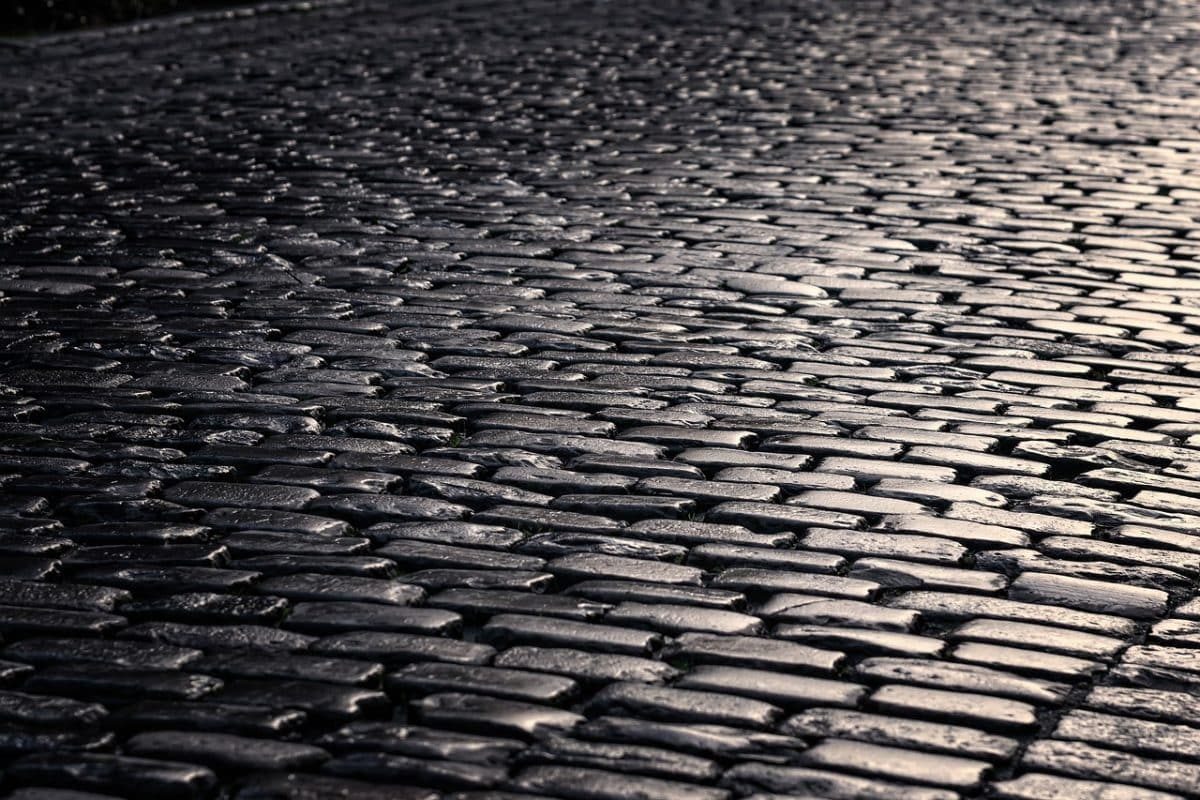
Paving stones are much more than just a simple flooring material. They tell the story of our streets, our squares, and our gardens. Each paving stone has its own personality, texture, and color. They can transform a mundane space into a charming and character-filled place. The choice of paving type may seem trivial, but it is crucial for achieving the desired effect, whether for a walkway, a terrace, or a courtyard. Let’s explore together the different types of paving stones and their distinctive characteristics.
Natural Stone Paving
Natural stone paving is known for its durability and timeless aesthetic. It is often used for high-end projects, adding a touch of sophistication and elegance.
Natural stone paving comes in several types:
- Granite paving: Very resistant, this paving is ideal for high-traffic areas. It stands out for its robustness and its ability to maintain its beauty over the years.
- Limestone paving: Valued for its soft and varied shades, this type of paving adds a warm and natural touch. However, it is less durable than granite.
- Sandstone paving: This paving is highly sought after for its rustic and authentic appearance. The antique sandstone paving is particularly sought after for the restoration of historic buildings.
- Slate paving: This paving is often used for modern projects. Its dark color and smooth appearance make it an elegant and contemporary choice.
Concrete Paving
Concrete paving offers a wide variety of shapes, colors, and textures. They are often chosen for their affordability and ease of installation.
Concrete paving comes in several variants:
- Interlocking pavers: These pavers are easy to install thanks to their specific shape that allows for a perfect fit. They are often used for driveways and parking areas.
- Weathered pavers: With a special treatment, these concrete pavers mimic the appearance of old pavers with a weathered patina. They are ideal for renovation projects or to bring an old-world charm to a modern space.
- Pressed concrete pavers: These pavers are manufactured through a pressing process that gives them great resistance. They are available in a wide range of colors and finishes.
Refractory Paving
Refractory paving is designed to withstand extreme temperatures. Mainly used in industrial environments and for fireplaces, they are distinguished by their ability to endure harsh conditions.
- Refractory clay pavers: Made from special clay, these pavers are fired at high temperatures to ensure their fire resistance. They are perfect for fireplaces and barbecues.
- Refractory concrete pavers: A mix of concrete and refractory materials, these pavers are used for wood-fired ovens and industrial installations. Their robustness and durability make them a top choice for demanding environments.
Eco-Friendly Paving
In an era where sustainability and environmental respect are priorities, eco-friendly paving is gaining popularity. They are designed to minimize environmental impact while providing solid performance.
- Permeable pavers: These pavers allow rainwater to infiltrate the soil, thus reducing runoff and flood risks. They are perfect for walkways and parking lots.
- Recycled material pavers: Made from industrial waste or recycled materials, these pavers are an excellent option for those looking to reduce their carbon footprint.
- Permeable pavers: Similar to drainage pavers, these pavers allow for better management of rainwater. They are often used in urban areas to improve surface permeability.
The choice of paving type depends on many factors, including the desired aesthetics, intended use, and available budget. Whether you opt for natural stone, concrete, refractory, or eco-friendly pavers, it is crucial to carefully consider your needs and preferences. Paving stones are not just a way to cover the ground, but a true decorative tool that can transform your outdoor space into a unique and welcoming place.