When preparing for a long-dreamed trip, the destination occupies all the attention. The country, the island, the city. Then you land, and it’s the activities that create the memories. Choosing your activities ahead of a dream trip radically changes the experience on-site, as long as you don’t fall into the trap of the generic tourist catalog.
Booking activities before leaving: a constraint that has become mandatory
In the most popular destinations (major cities, paradise islands, renowned natural parks), the flagship activities are fully booked several weeks in advance. A helicopter tour in New York, a photo safari in Tanzania, a sunset cruise in the Cyclades: these slots fill up quickly, especially in high season.
Platforms like GetYourGuide or online agencies have accelerated this phenomenon. Booking is now done in advance, from your couch, rather than upon arrival at the hotel desk. You can compare, filter by date, read recent reviews. Using the services of the Voyage 2 Rêve website also allows access to activities sorted by destination and type of experience, which saves time when hesitating between several options.
Waiting to be on-site to book often means settling for what’s left. The best activities of a dream trip should be planned just like the flight or accommodation.
Low-impact activities: the dream trip is changing shape
In recent years, the notion of a dream trip has shifted. We are moving from a dream centered on the location (the perfect beach, the postcard panorama) to a dream focused on the lived experience, and increasingly on its footprint.
The Sustainable Travel Report 2024 from Booking.com confirms this trend: a growing share of travelers is seeking low environmental impact activities even for their major getaways. In concrete terms, this takes specific forms:
- Long-distance hikes instead of motorized flights, including in destinations like Norway, Réunion, or Sri Lanka
- Wildlife observation guided by certified local guides, with limited groups, replacing large bus excursions
- Longer stays in one location, with fewer internal flights, allowing for immersion in a country instead of hopping from one spot to another
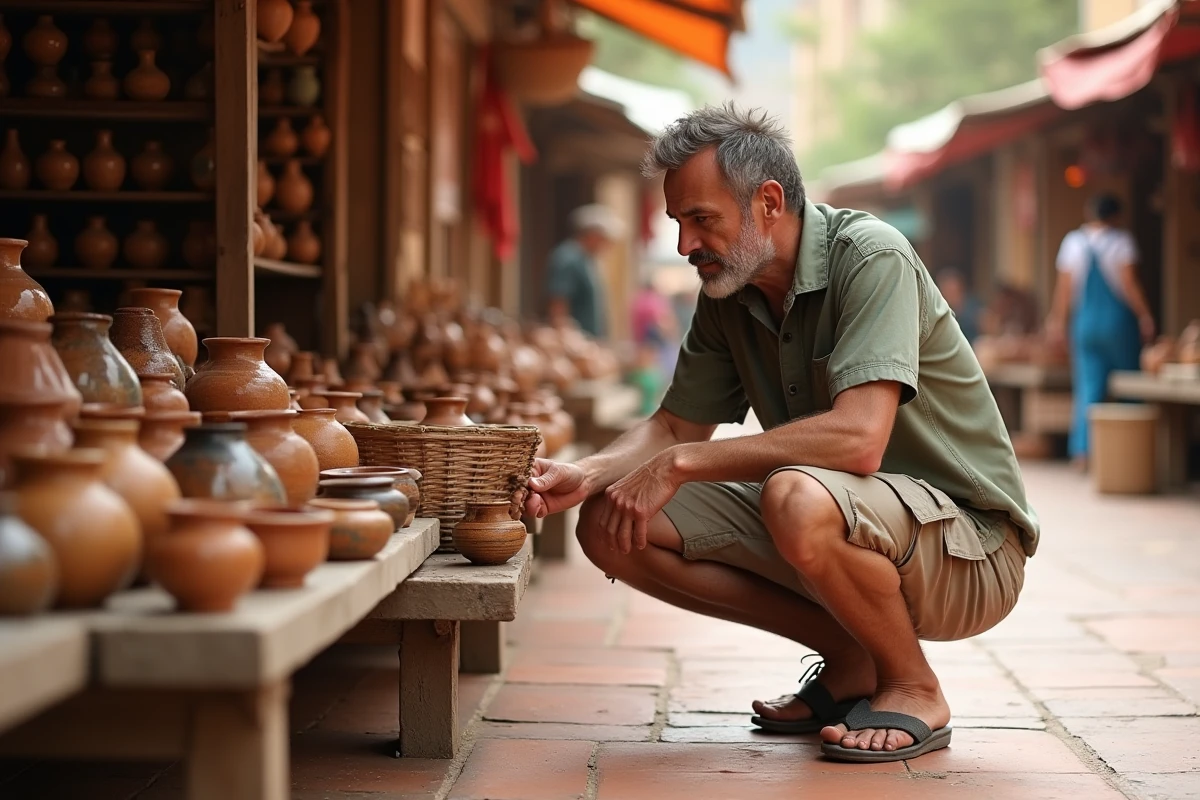
- Classes with locals (cooking, crafts, fishing) that generate direct income for local communities
This shift is not only for activist travelers. A long stay with slow activities often costs less than a fast-paced multi-stop tour. The budget benefits as well.
Nature and adventure activities: what works according to the terrain
A dream trip in a tropical country does not call for the same activities as a Nordic journey. Before filling your schedule, it’s beneficial to think by type of terrain.
Islands and coastline
Snorkeling, scuba diving, sea kayaking, private cruises. On islands like Bali, Mauritius, or the Seychelles, the underwater scenery remains the main attraction. Diving supervised by a certified local center offers an immersion that glass-bottom boat excursions cannot replace.
Mountains and forests
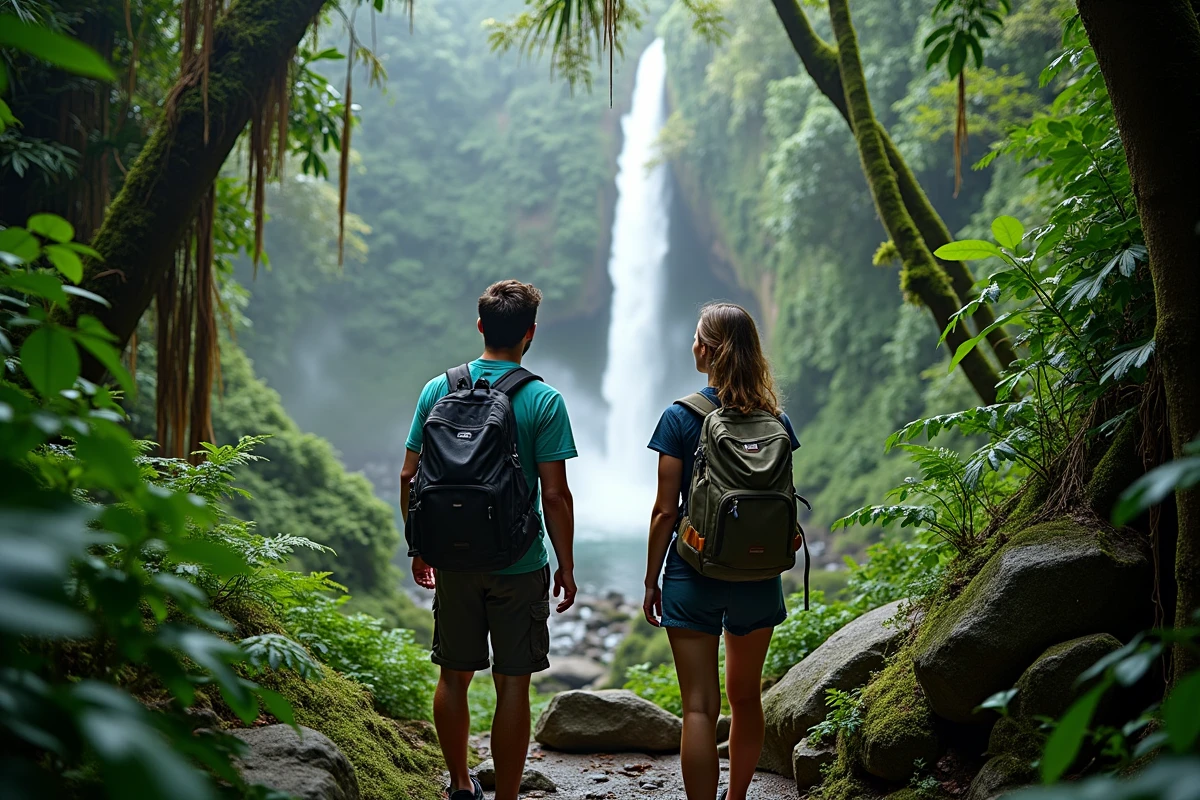
Trekking, mountain biking, birdwatching, guided camping. In Iceland, the Canadian Rockies, or on the trails of Réunion, physical activity becomes the trip itself. You don’t just visit a landscape; you traverse it.
Cities and heritage
Thematic guided tours, street art tours, cooking workshops, live performances. In New York, Tokyo, or Cairo, the most memorable activities are often those that step outside the classic circuit. A ramen class in a residential neighborhood of Tokyo is often better than a guided tour of the most famous temple.
Regulatory constraints on activities in natural environments
Several dream destinations have tightened their access rules in recent years. Iconic natural sites now impose daily visitor quotas, with mandatory reservations and sometimes requiring accompaniment by a licensed guide.
Feedback varies on this point depending on the destinations, but the underlying trend is clear: national parks, marine reserves, and classified sites are gradually restricting free access. For a traveler planning a stay around a specific activity (diving in a reserve, hiking on a volcano, approaching large mammals), checking access conditions in advance avoids disappointment on-site.
Some areas also require an environmental tax or a financial contribution directed towards conservation. This is not a barrier, but a factor to integrate into the overall travel budget.
Building your activity program without overloading the stay
The classic trap of a dream trip is wanting to do everything. You accumulate reservations, stack excursions, and return more tired than before you left.
An effective activity program is based on a simple principle: alternate an intense day with a free day. This alternation leaves room for the unexpected, local encounters, and spontaneous discoveries that create the best vacation memories.
- Plan two to three significant activities per week of travel, no more
- Keep at least half a day without a fixed schedule every two days
- Group activities by geographical area to avoid unnecessary travel
A successful dream trip is not one where everything is checked off, but one where time was taken. The most spectacular destinations in the world, from the landscapes of Norway to the beaches of Polynesia, are best enjoyed when you’re not rushing from one point of interest to the next.
The choice of activities defines the memory you keep of a country. It’s better to have three deep experiences than a dozen selfies in front of monuments. It’s in the engagement on the ground, not in the list of sites visited, that a true dream trip is made.