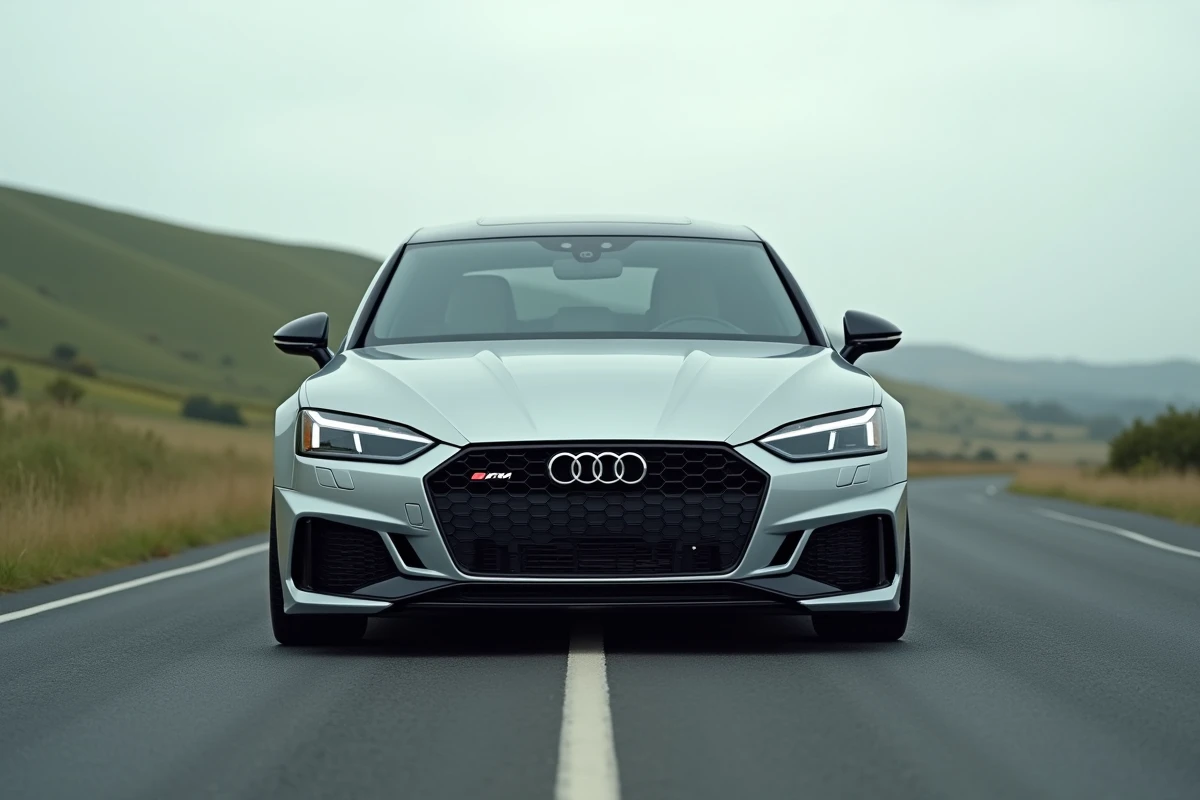
The French automotive market pushes buyers towards a simplified reading grid: new or used, thermal or electric, city car or SUV. This boxy approach ignores the technical trade-offs that truly determine ownership costs and long-term satisfaction. Here, we propose a more nuanced reading, focused on the aspects that traditional buying guides only skim over.
Tax horsepower and car insurance: the cost item that buyers underestimate
Insurance now represents, for a young driver, the largest annual expense ahead of fuel and maintenance. French comparison sites have noted a significant increase in premiums since 2023, including for small city cars.
We recommend staying under 6-7 tax horsepower to limit this burden. A used gasoline vehicle with a small engine remains the most rational choice in terms of premium, whereas a compact SUV or a more powerful diesel model disproportionately increases the bill.
Even before comparing purchase prices, simulating insurance costs on two or three pre-selected models can help eliminate candidates. This reflex is lacking in the majority of buyers, who discover the premium only after signing. The technical sheets available in the official pifauto guide on Automobile Référence facilitate this task by centralizing tax horsepower data by model.
Purchase aids and eco-criteria: what has changed in 2024
Several European countries have tightened the conditions for accessing subsidies for the purchase of new or used vehicles. The criteria are no longer limited to CO₂ emissions alone: the weight of the vehicle and the type of use (private or professional fleet) are now included in the calculation.
This tightening reshuffles the cards. A fuel-efficient thermal city car can, in some cases, cost less than a compact electric vehicle whose bonus has been reduced or eliminated. Light hybrids, long favored, are also losing ground when their weight exceeds the thresholds set by the new scales.
Check eligibility before signing
We observe that many buyers include a bonus in their budget without having verified the criteria in effect at the time of ordering. Conditions sometimes change during the year. Consult the official scale on the day of ordering, not at the time of prospecting, to avoid an unpleasant surprise of several hundred euros.
Test drive: technical points to evaluate beyond the feel
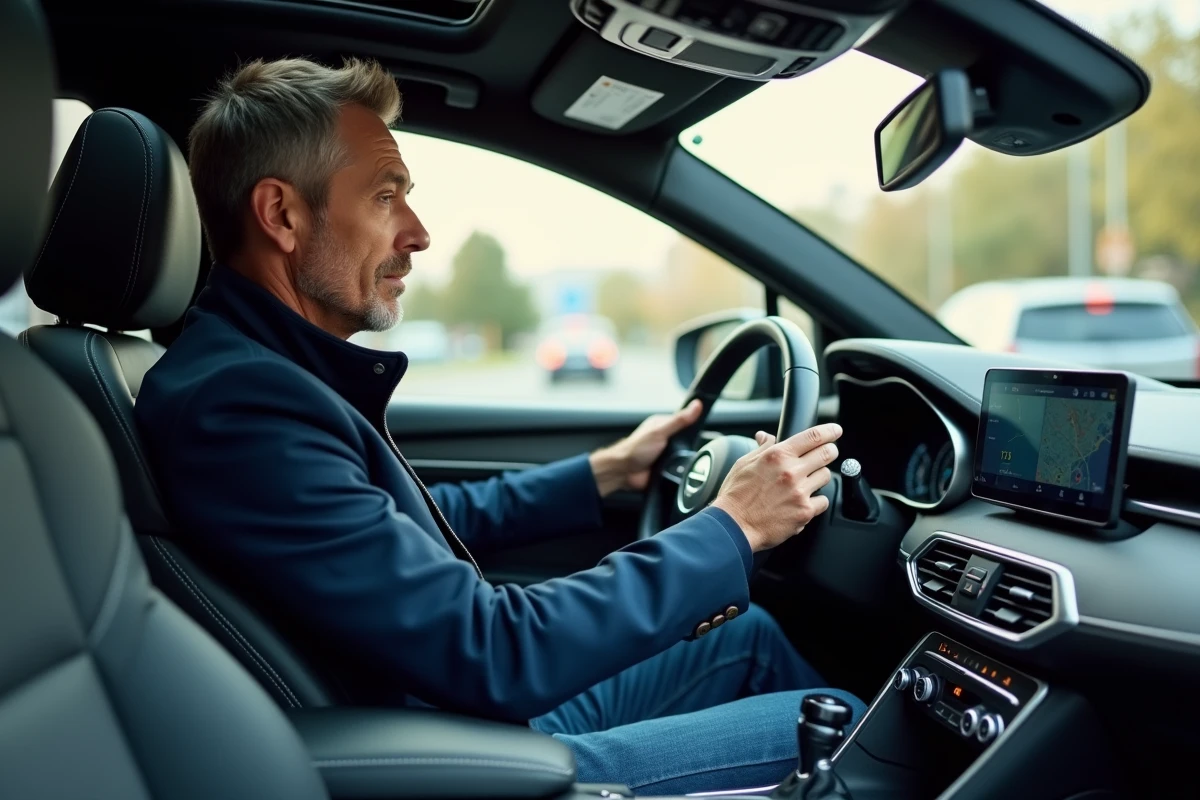
A ten-minute test drive on an urban route reveals almost nothing. For a test drive to be useful, it must cover three driving regimes and last at least thirty minutes.
- Cold start and stabilized idle: listen to the engine for two to three minutes before driving, note any abnormal vibrations or unstable idle speed
- Strong acceleration phases and uphill recovery: engage the gearbox (manual or automatic) in intermediate gears, check for any jolts or clutch slippage
- Firm braking on a straight road: a vehicle that pulls to one side indicates a problem with the front axle, disc, or caliper, and the estimate can rise quickly
- Rolling at a stabilized speed on an open road: this is where road, transmission, or suspension noises reveal themselves, not in the city
A test conducted on the highway and in urban areas covers more scenarios than a simple lap around the block offered by the seller. Don’t hesitate to impose your own route.

Maintenance and vehicle history: reading a logbook beyond mileage
Mileage remains an indicator, but it says nothing about the quality of maintenance. A gasoline vehicle that has covered a moderate distance with oil changes spaced more than two years apart presents a higher engine risk than a high-mileage diesel that has been strictly maintained.
We systematically check three elements in a maintenance log:
- The consistency of oil change intervals with manufacturer recommendations (in months and kilometers, the first of the two reached being the correct one)
- The replacement of the timing belt or chain according to the model’s threshold, an item that can represent a significant budget if it needs to be planned
- Invoices for wear parts (brakes, shock absorbers, tires) that confirm actual usage consistent with the displayed mileage
An incomplete logbook or missing invoices justifies a discount during negotiations, even if the vehicle appears to be in good external condition.
Manufacturer warranty and commercial warranty: two distinct logics
The manufacturer warranty covers manufacturing defects for a set period. The commercial warranty offered by a used car dealer often covers a more limited scope, with exclusions on wear parts and sometimes a reimbursement cap. Reading the general conditions before considering this warranty as a real safety net avoids many disappointments.
Car without a license and AM license: a regulated segment in transition
The AM license (formerly BSR), necessary to drive a car without a license, has seen its training increase from 7 to 8 hours, with an increased focus on road risk awareness (2 hours compared to 1 previously). This regulatory tightening reflects the authorities’ desire to better regulate a growing segment, used by very young drivers or people without a license.
The total cost of a new car without a license often exceeds that of a used city car with a standard B license. Including the cost of training, specific insurance, and owner maintenance allows for an objective comparison of the two options.
The choice of a vehicle commits to several years of budget. Cross-referencing data on tax horsepower, insurance, eligibility for aids, and maintenance history before any decision remains the most reliable method to avoid a purchase that one regrets as soon as the first technical inspection.